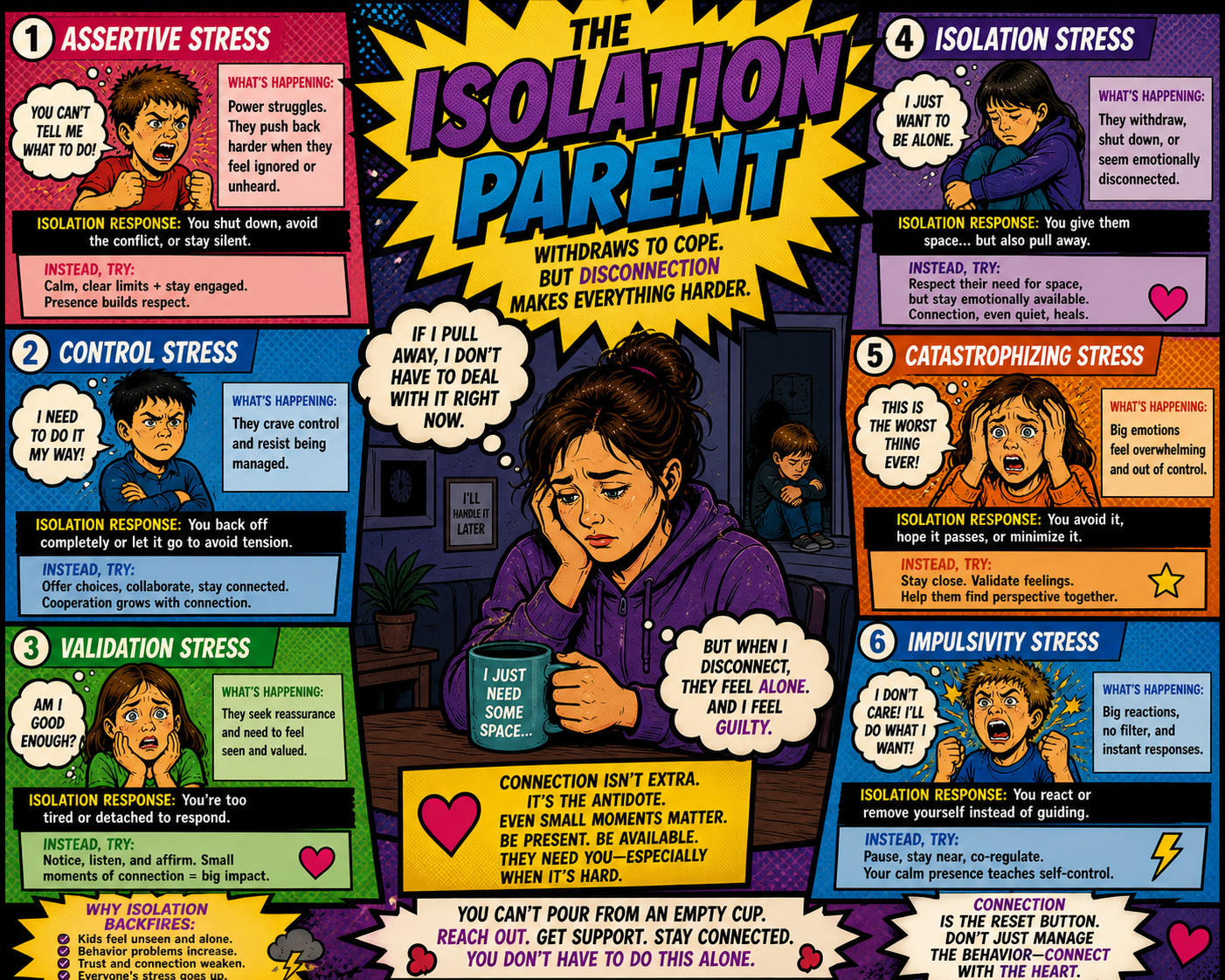
When You’re an Isolation Parent: How Your Stress Response Interacts With Your Child’s
You don’t react right away.
You pause.
You think.
You step back.
And in many ways, that keeps things from escalating.
But then there are moments when…
Your child is upset—
and you go quiet.
They look for you—
and you pull inward.
And suddenly, instead of feeling calm…
They feel alone.
Here’s the shift:
Your calm isn’t the problem.
It’s when calm turns into distance.
Because your child doesn’t need you to match their emotion…
They just need to know you’re still there.
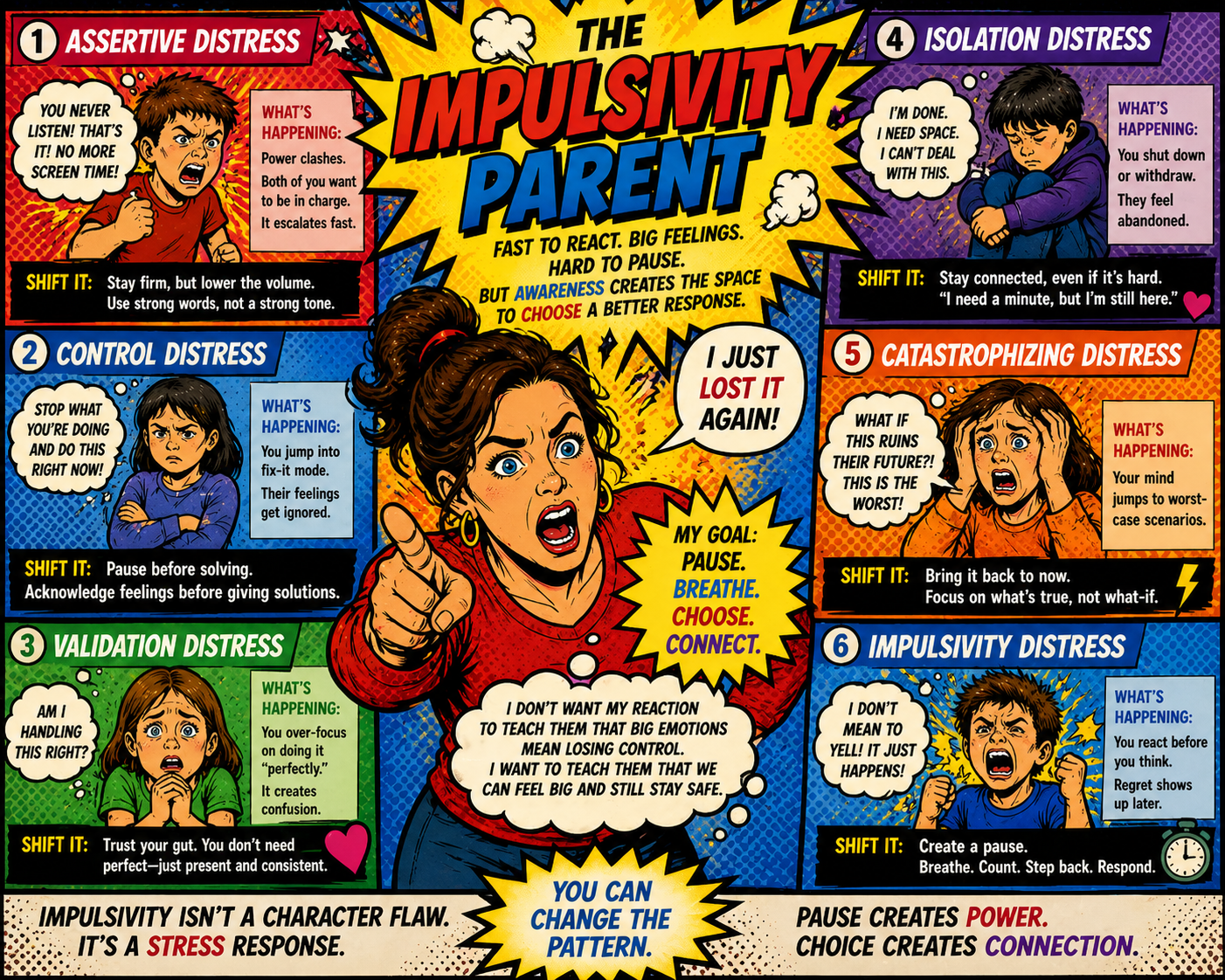
When You’re an Impulsivity Parent: How Your Stress Response Interacts With Your Child’s
You don’t ignore things.
You respond.
Quickly.
Honestly.
In the moment.
And sometimes—that’s exactly what’s needed.
But then there are those moments when…
You react—and it escalates.
You raise your voice—and they get louder.
You respond fast—and suddenly everything feels out of control.
And afterward, you think:
“Why did that get so big so quickly?”
Here’s the shift:
It’s not just that you reacted.
It’s that your reaction met your child’s stress response at full speed.
Two fast nervous systems don’t calm each other.
They amplify.
And the most powerful tool you have in those moments?
It’s not saying the perfect thing.
It’s creating a pause.
Even one breath can change everything.
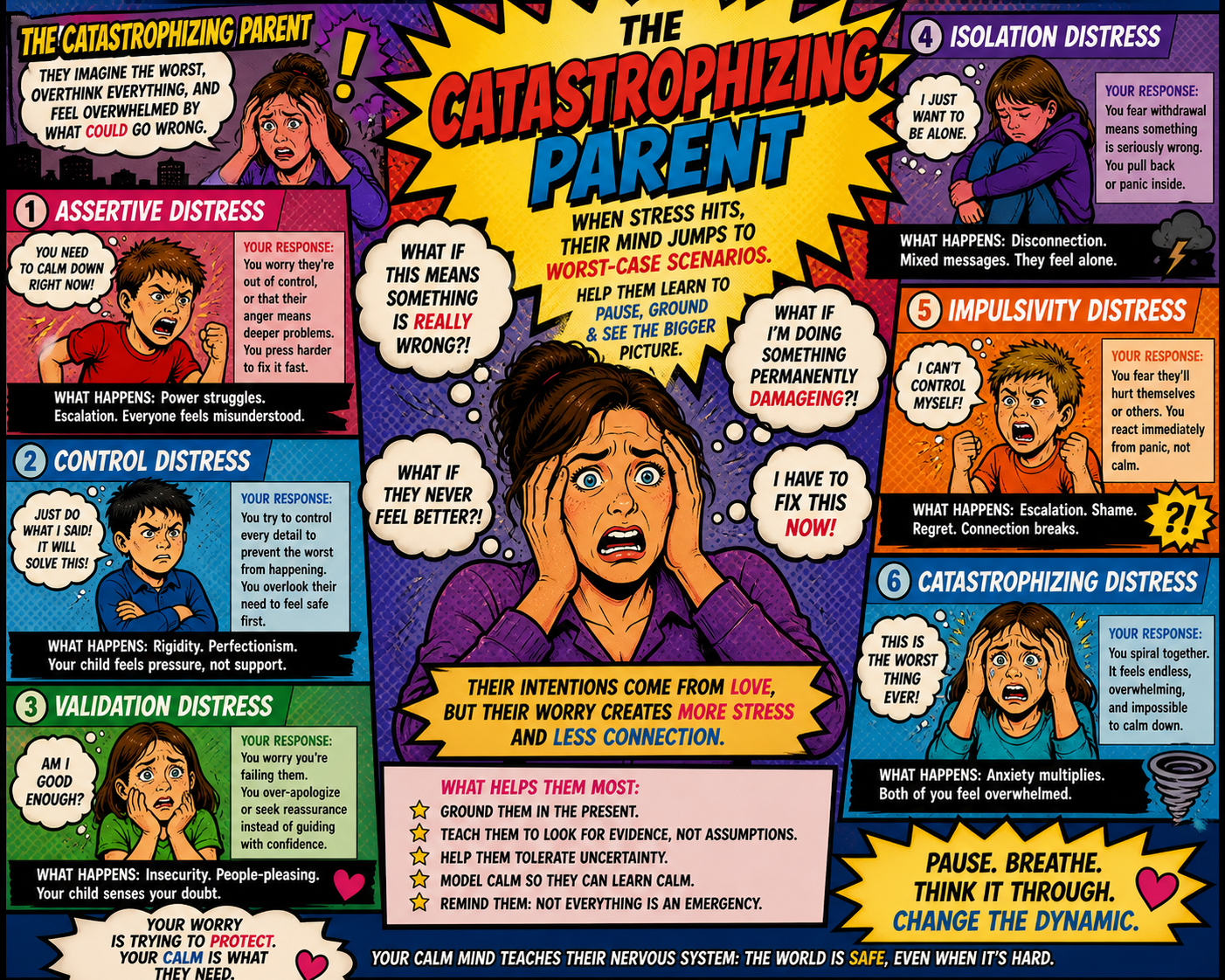
When You’re a Catastrophizing Parent: How Your Stress Response Interacts With Your Child’s
You’re the parent who thinks ahead.
You see what could go wrong.
You want to protect your child.
You don’t ignore problems—you anticipate them.
And that comes from a place of deep care.
But then there are moments when…
Something small happens—
and it suddenly feels big.
A bad grade.
A tough day.
A shift in behavior.
And before you even realize it, your mind has jumped to:
What if this means something more?
Here’s the shift:
Your awareness isn’t the problem.
It’s when awareness turns into amplification.
Because when your child is already overwhelmed, they don’t need the moment to feel bigger…
They need it to feel contained.
And when you learn how to stay grounded in the present—
You don’t lose your ability to protect them.
You become the exact thing that helps them feel safe.
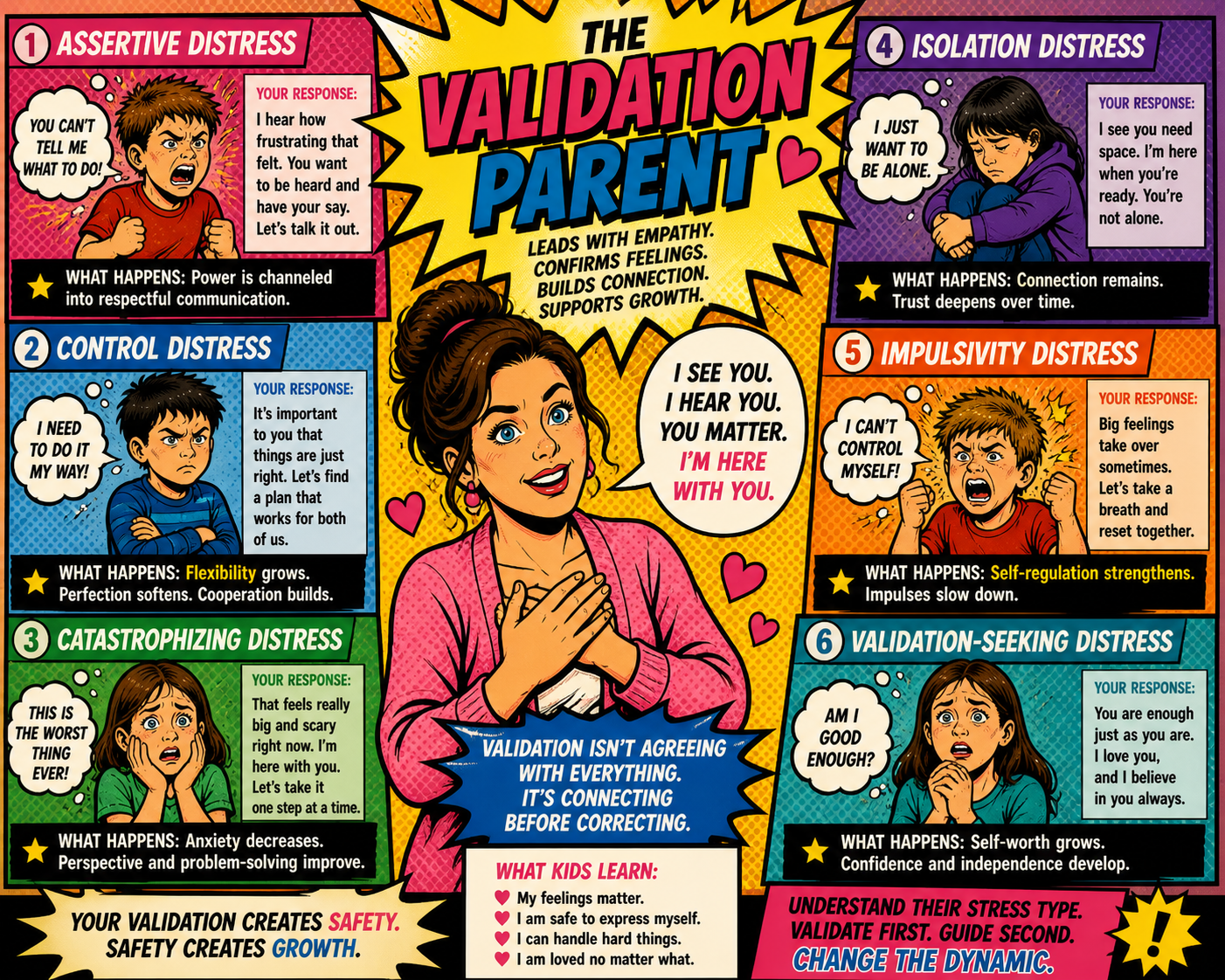
When You’re a Validation Parent: How Your Stress Response Interacts With Your Child’s
You’re the parent who wants your child to feel understood.
You listen.
You empathize.
You care deeply about getting it “right.”
And that matters.
But then there are moments when…
You validate… and they still escalate.
You reassure… and they keep asking.
You try to connect… and they pull away.
And you’re left thinking:
Why isn’t this working?
Here’s the shift:
Validation is powerful—but it’s not the whole picture.
Because depending on your child’s stress response, validation alone can sometimes feel like:
uncertainty
too much freedom
or even pressure
What your child needs isn’t less empathy.
It’s empathy paired with leadership.
And when you learn how to bring both into the moment…
Everything changes.
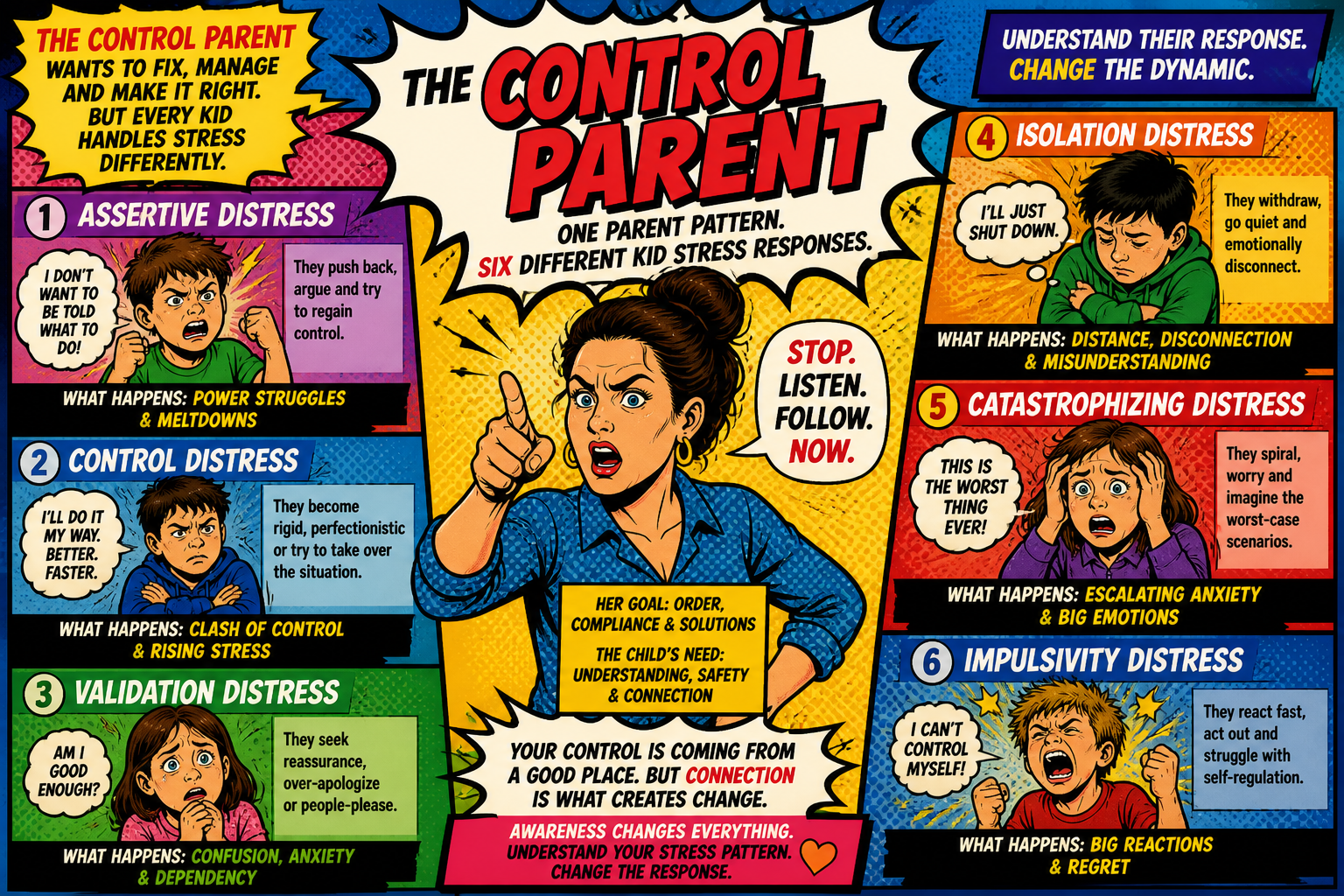
When You’re a Control Parent: How Your Stress Response Interacts With Your Child’s
You’re the parent who keeps things together.
You think ahead.
You solve problems.
You step in before things fall apart.
And most of the time—that works.
But then there are those moments…
Your child pushes back.
Or melts down.
Or completely shuts down.
And the more you try to fix it…
The worse it gets.
Here’s why:
Your instinct to create control is meeting your child’s stress response in real time.
And depending on their pattern, your structure can feel like:
support
pressure
or even overwhelm
This isn’t about doing less.
It’s about knowing when to pause before you fix.
Because sometimes the moment doesn’t need control first…
It needs connection.
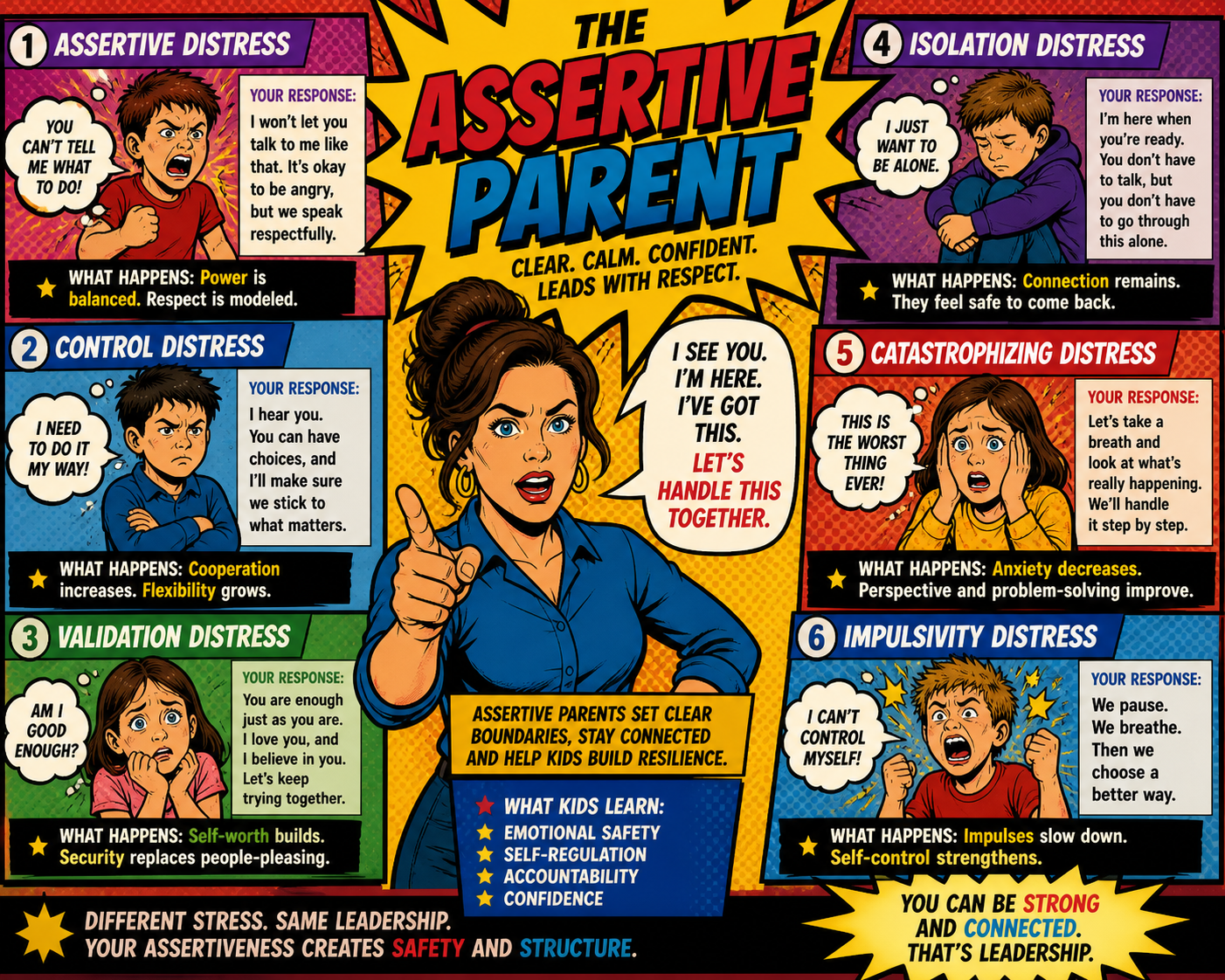
When You’re the Assertive Parent: How Your Stress Response Interacts With Your Child’s
You’re a direct parent.
When something happens, you address it.
You set the boundary.
You move things forward.
And most of the time—that works.
But then there are those moments…
Your child pushes back.
Or shuts down.
Or completely melts down.
And suddenly, your usual approach doesn’t land the same way.
It escalates.
It stalls.
Or it creates distance.
Here’s why:
Your assertiveness isn’t the problem.
It’s how it interacts with your child’s stress response.
Because when your child is overwhelmed, they’re not just reacting to the situation…
They’re reacting to you, too.
And when you understand that interaction—
You don’t have to become a different parent.
You just learn how to meet them differently in the moment.
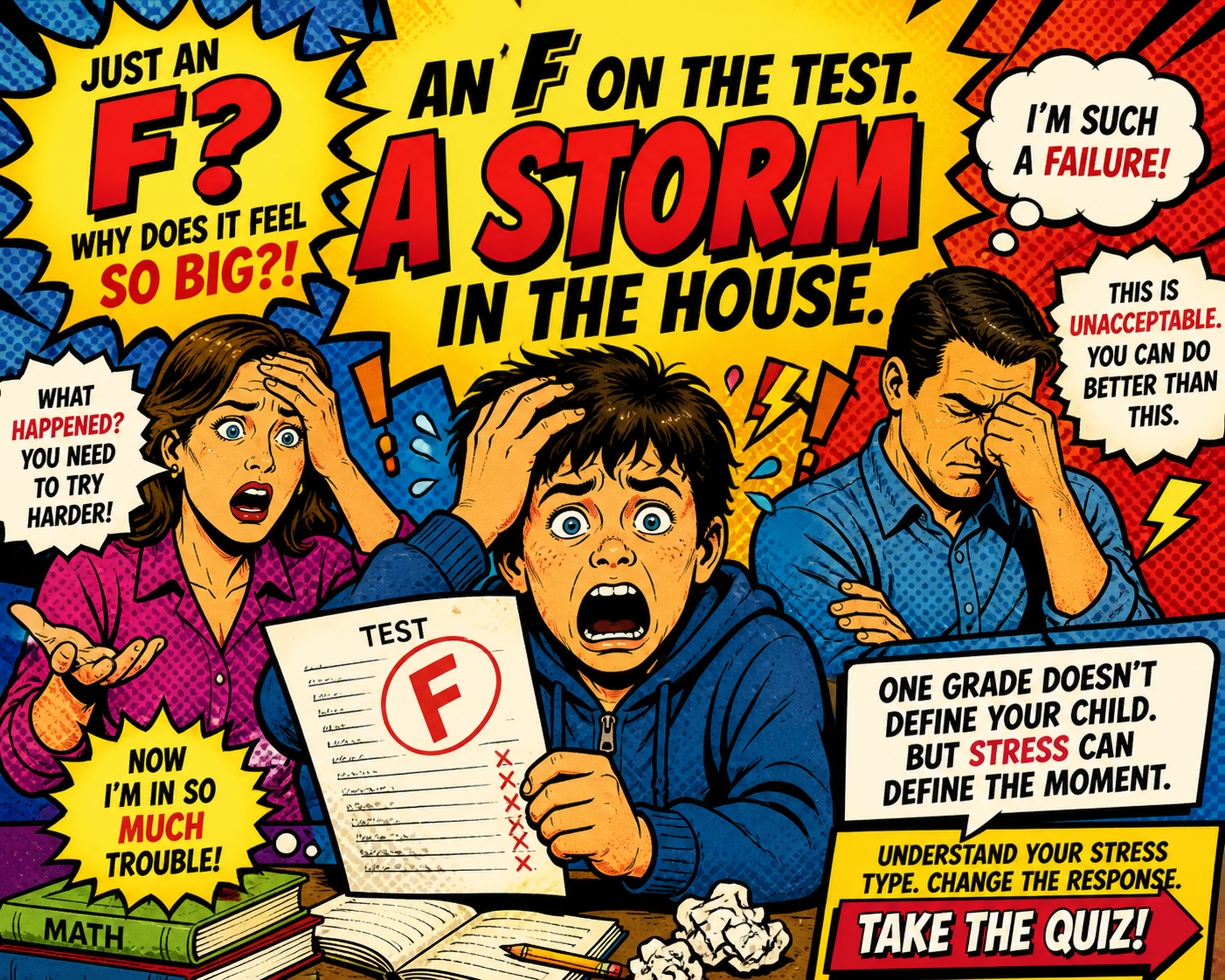
The “F” On A Test Drama.
Your child got an F on a test.
And in that moment… it’s not just about the grade.
It’s about what happens next.
Do they shut down?
Do they get defensive?
Do they spiral or brush it off like it doesn’t matter?
And just as important—
What happens in you?
Do you move in quickly to fix it?
Do you feel your frustration rise?
Do you soften, worry, or go silent?
Because this moment isn’t just about performance.
It’s an interaction between two stress responses—yours and your child’s—colliding in real time.
And depending on that interaction, this moment can either:
build resilience
create pressure
or lead to disconnection
The grade is just the trigger.
The dynamic that follows? That’s the pattern.
👉 Discover your stress type here:
https://drali.pro.typeform.com/to/F5IBE9OC
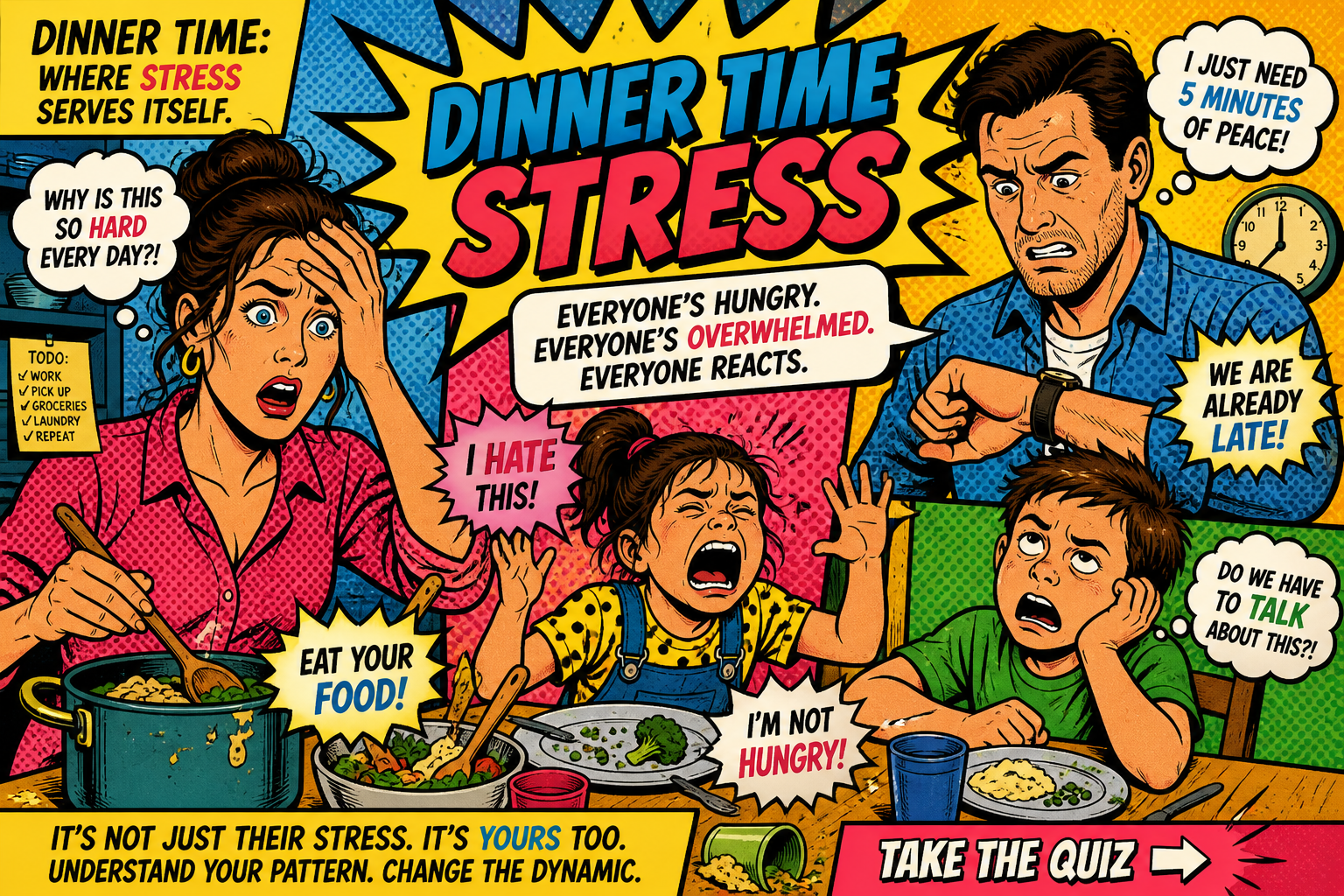
Dinner Time Stress
It’s dinner time.
You’re trying to get food on the table…
and suddenly everything unravels.
One child refuses to eat.
Another is negotiating every bite.
Someone melts down over the wrong plate.
And you’re left thinking… what is happening right now?
Here’s what most parents miss:
This isn’t just behavior.
This is stress response.
Your child isn’t trying to be difficult—they’re reacting from a pattern.
Some kids push back.
Some try to control.
Some get overwhelmed.
Some shut down.
And once you start to see it, you can’t unsee it.
Because dinner time isn’t chaos…
It’s a window into how your child handles stress.
👉 And when you understand their pattern—and your own—you can completely change how these moments play out.
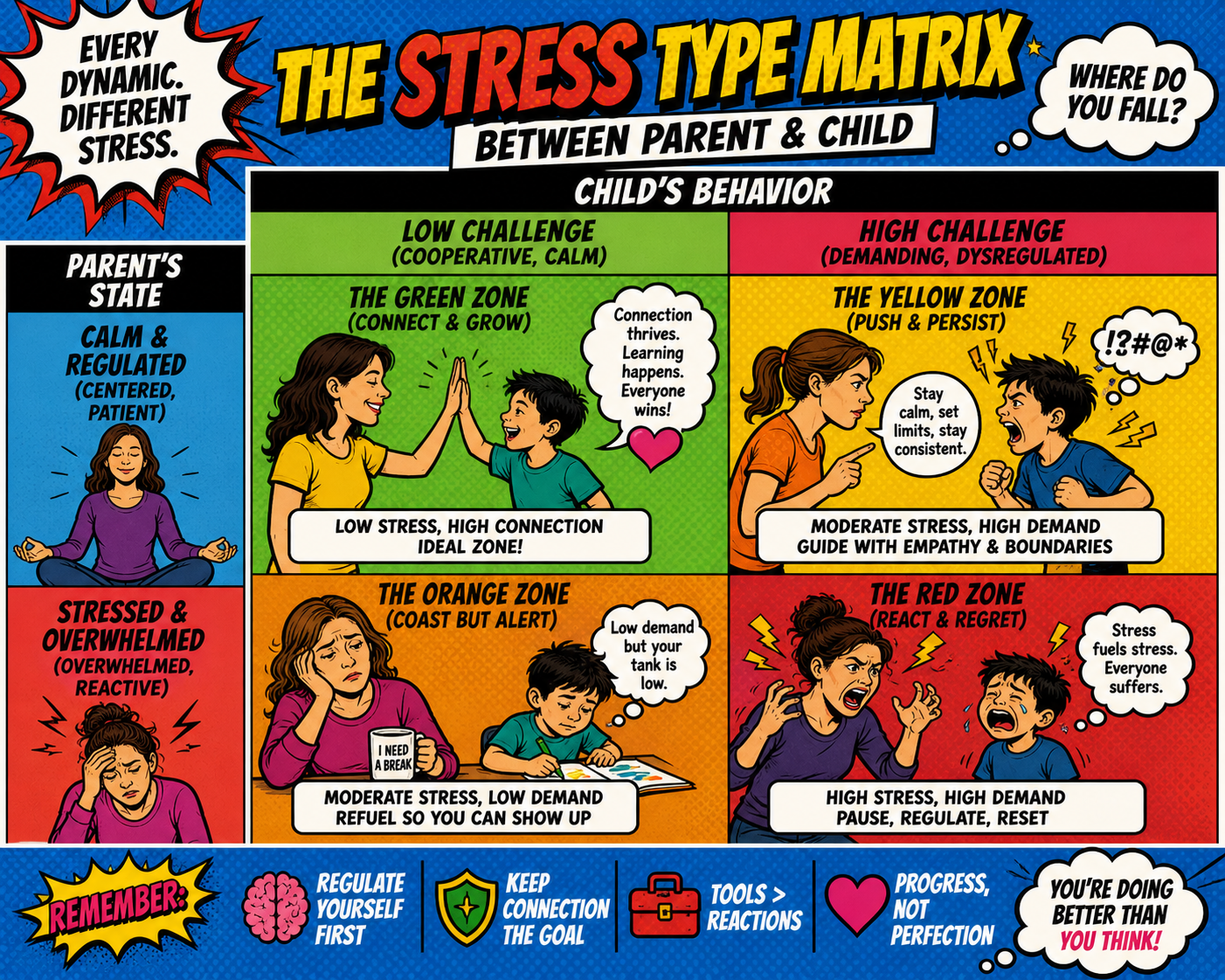
When Stress Types Collide: How Your Stress Response Interacts With Your Child’s
Your child isn’t just “having a moment.”
They’re having a stress response.
And so are you.
What happens next isn’t random—it’s a pattern.
When your stress type meets your child’s, something very predictable unfolds:
You tighten → they escalate
You lean in → they pull away
You react fast → they react faster
It can feel confusing in the moment…
but it’s actually a dynamic that’s happening over and over again.
Not because you’re doing it wrong.
But because your nervous system and your child’s nervous system are interacting in real time.
And here’s the powerful part:
When you understand your pattern, you don’t just manage your child’s behavior…
You change the entire interaction.
👉 Discover your stress type here:
https://drali.pro.typeform.com/to/F5IBE9OC
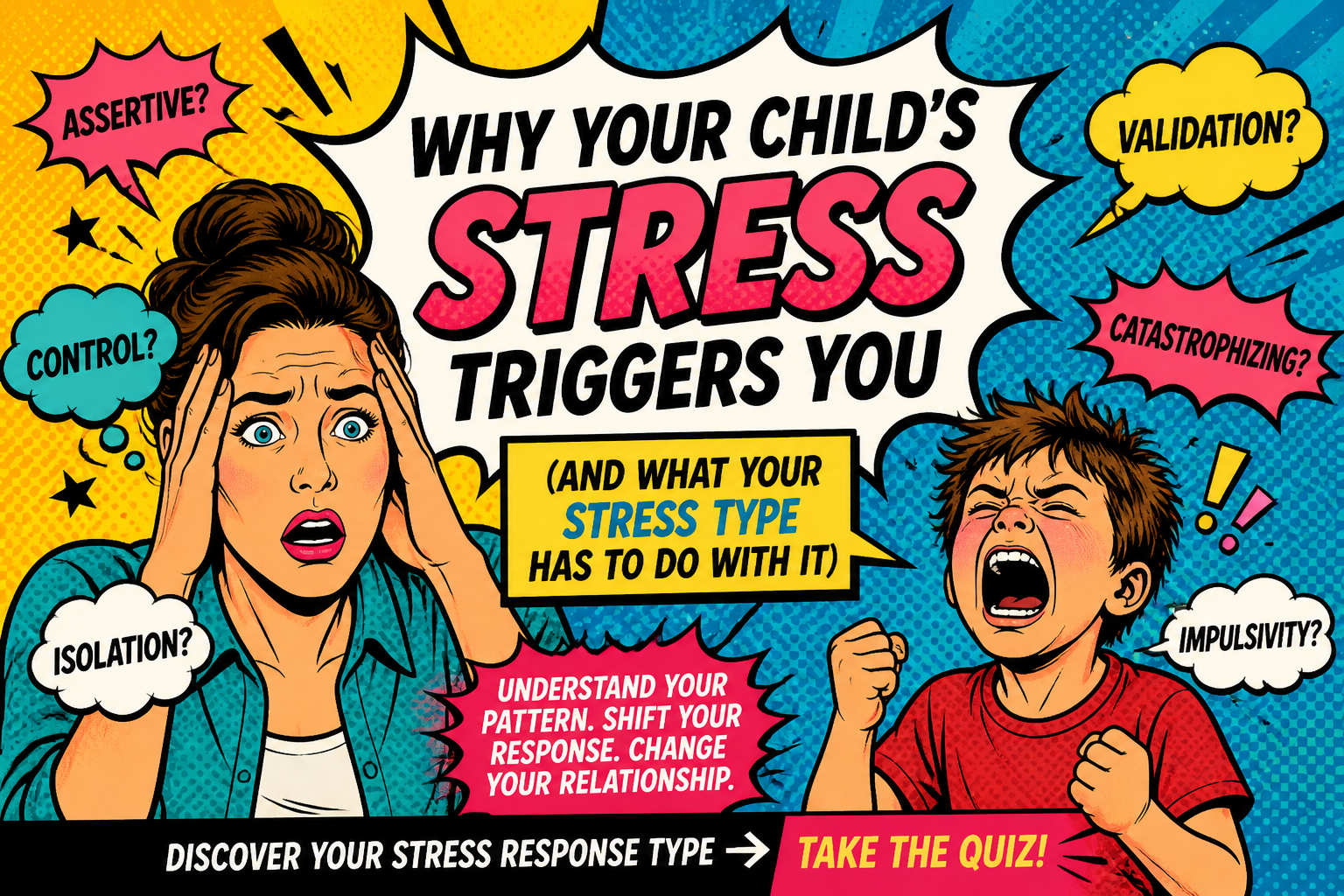
Why Your Child’s Stress Triggers You (And What Your Stress Type Has to Do With It)
Your child isn’t the only one having a stress response in the moment.
You are too.
And while it might look like you’re reacting to your child… what’s actually happening is something deeper:
Two nervous systems are interacting in real time.
Your child melts down.
You feel it rise in your body.
And before you even think… you respond.
Maybe you get assertive.
Maybe you try to control the situation.
Maybe you shut down, over-accommodate, or react quickly and emotionally.
None of this means you’re doing it wrong.
It means you have a pattern.
And that pattern—your stress type—is quietly shaping how you parent in the moments that matter most.
The powerful shift?
When you understand your pattern, you create space to choose a different response.
And that’s where everything begins to change.
👉 Take the quiz to discover your stress type:
https://drali.pro.typeform.com/to/F5IBE9OC
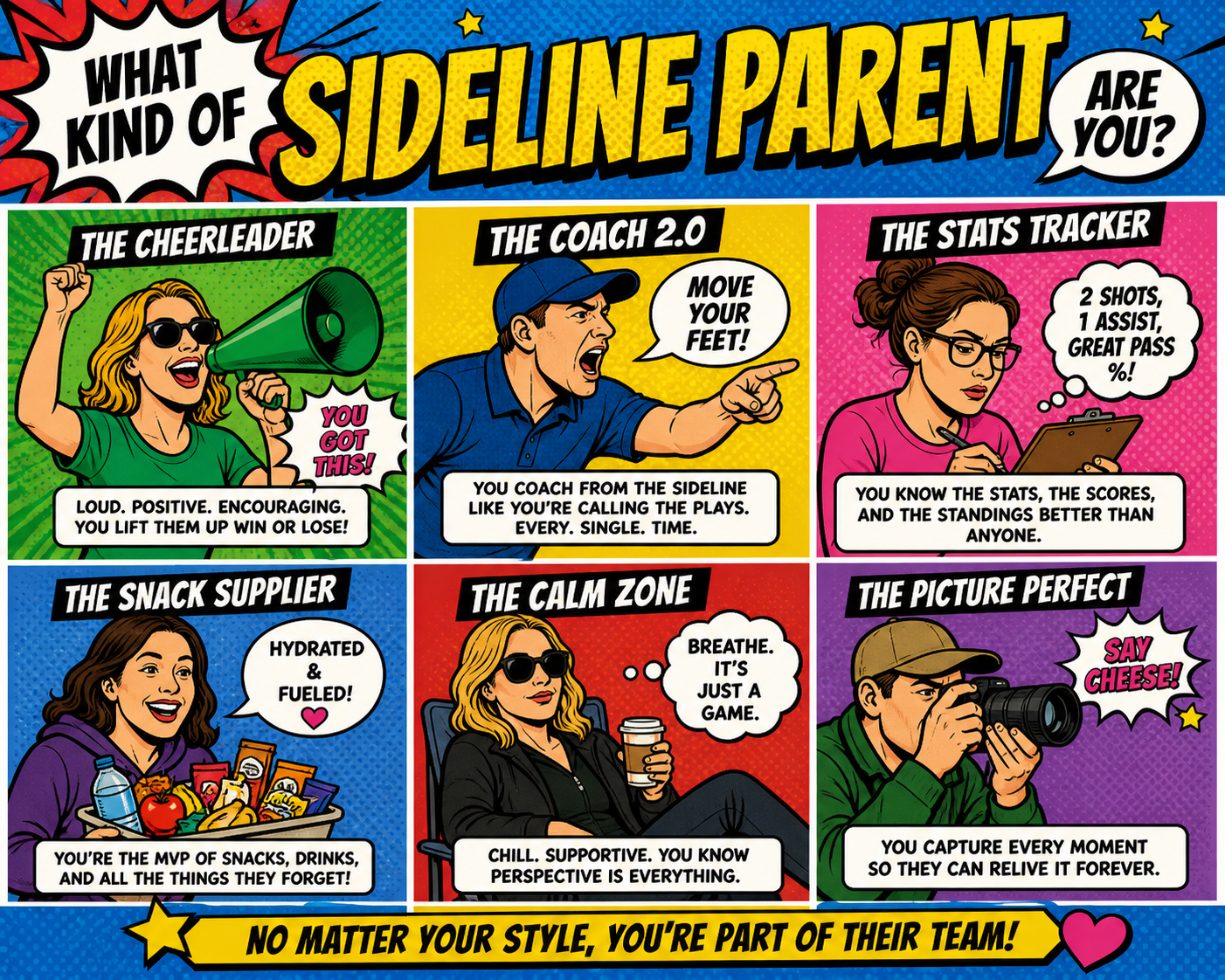
What Kind of Sideline Parent Are You? Understanding Your Stress Response at Your Child’s Game
It looks like a kids’ soccer game—but the real action is happening on the sidelines.
When stress hits, every parent reacts differently: some yell, some shut down, some spiral into worst-case scenarios. The truth? Your child isn’t just learning the game—they’re learning how to handle pressure by watching you. Understanding your stress response is the first step to helping them regulate theirs.

The FIT Kid Method™: A New Era of Whole Health for Kids and Teens
Discover how personal struggles—from childhood obesity to postpartum depression—led to the creation of The FIT Kid Method™, a first-of-its-kind whole health program designed to help kids and teens build strength, confidence, and emotional resilience.
Emotional Regulation for Kids: 7 Simple Tools That Actually Work
Teaching emotional regulation doesn’t have to be complicated. Learn simple, science-backed tools to help your child manage big emotions, reduce stress, and build lifelong resilience.

Strength Training for Kids: Why It Builds Confidence, Focus, and Emotional Health
Strength training for kids is about more than physical fitness—it’s key for confidence, focus, and long-term health. Learn how building muscle early supports emotional regulation and prevents future injury.

Intuitive Eating for Kids: How to Build Healthy Habits Without Pressure
Tired of food battles? Learn how intuitive eating for kids helps build healthy habits, improve mood, and reduce stress around food—without restriction, pressure, or power struggles.
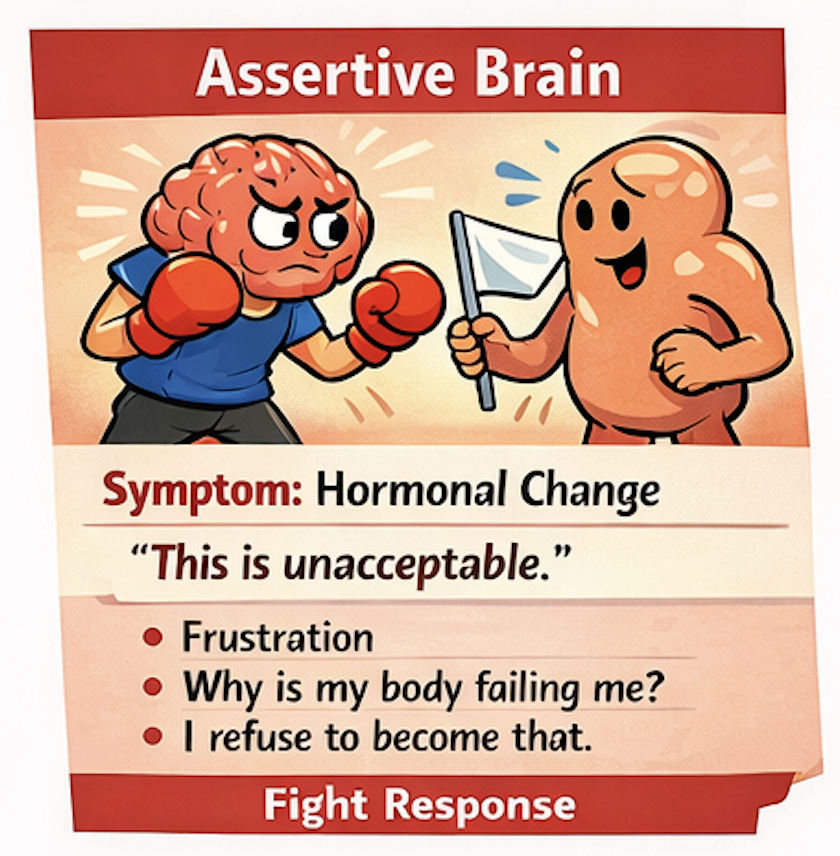
Assertive Stress in Kids: Is It Defiance or a Cry to Be Heard?
Is your child intense, reactive, or quick to push back? Learn how assertive stress shows up in kids, why it’s often misunderstood, and how to guide strong emotions into confidence and healthy communication.
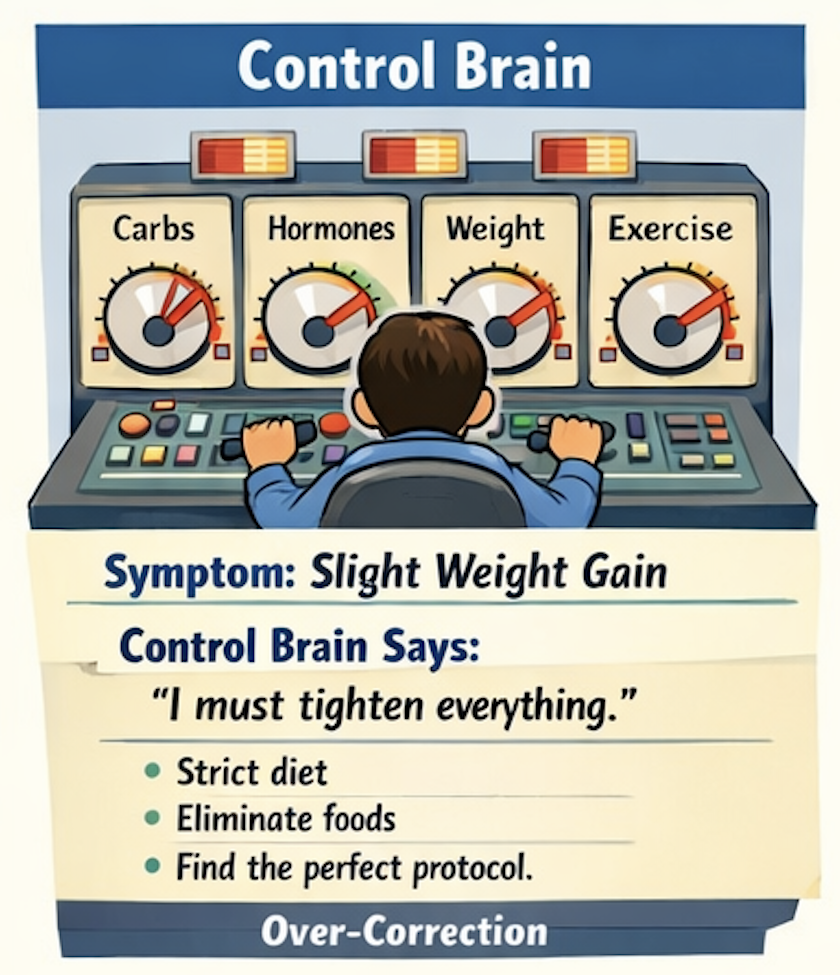
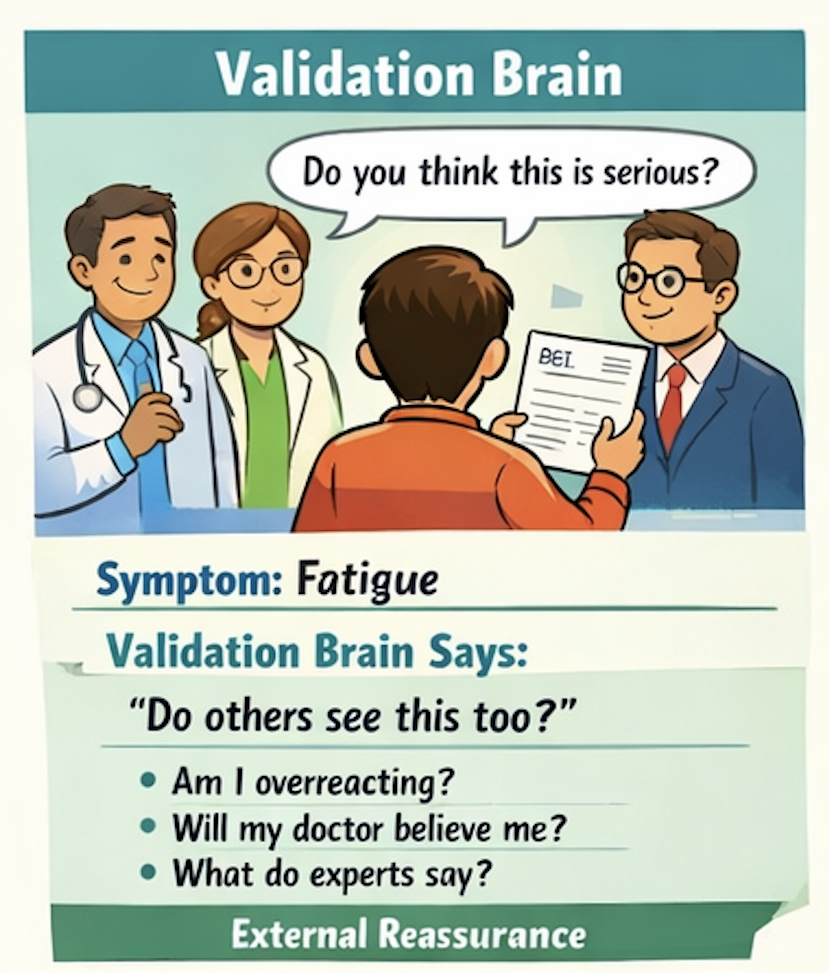
Validation-Seeking Kids: Why Your Child Needs Constant Reassurance (and How to Build Real Confidence)
Does your child constantly ask, ‘Is this right?’ Learn why validation-seeking happens in kids, how it affects confidence, and how to help your child build self-trust and independence.